
TL;DR: In November 2002, nineteen-year-old garbage collector Michael Carroll won £9,736,131 (approximately $15 million) in the UK National Lottery. Within eight years, he had lost every penny through reckless spending on drugs, alcohol, luxury cars, and lavish parties. By 2010, the self-proclaimed “King of Chavs” was back to manual labor, delivering coal in Norfolk—a stark warning that sudden wealth without financial discipline rarely lasts.
Watch the related video
The Teenage Jackpot Winner
Michael Carroll was working as a binman (garbage collector) in Norfolk, England, when his life changed overnight in November 2002. At just nineteen years old, he won a £9,736,131 jackpot in the UK National Lottery, instantly becoming one of Britain’s youngest multimillionaires. The win made immediate headlines across the United Kingdom, and Carroll quickly became a tabloid sensation.
Rather than seeking professional financial advice, Carroll embraced his newfound celebrity with gusto. He dubbed himself the “King of Chavs” and leaned into the tabloid nickname “Lotto Lout”—monikers that would define him for years. According to documented accounts, he was wearing an electronic monitoring tag for a prior offense when he collected his winnings, foreshadowing the troubled years ahead.
Eight Years of Excess
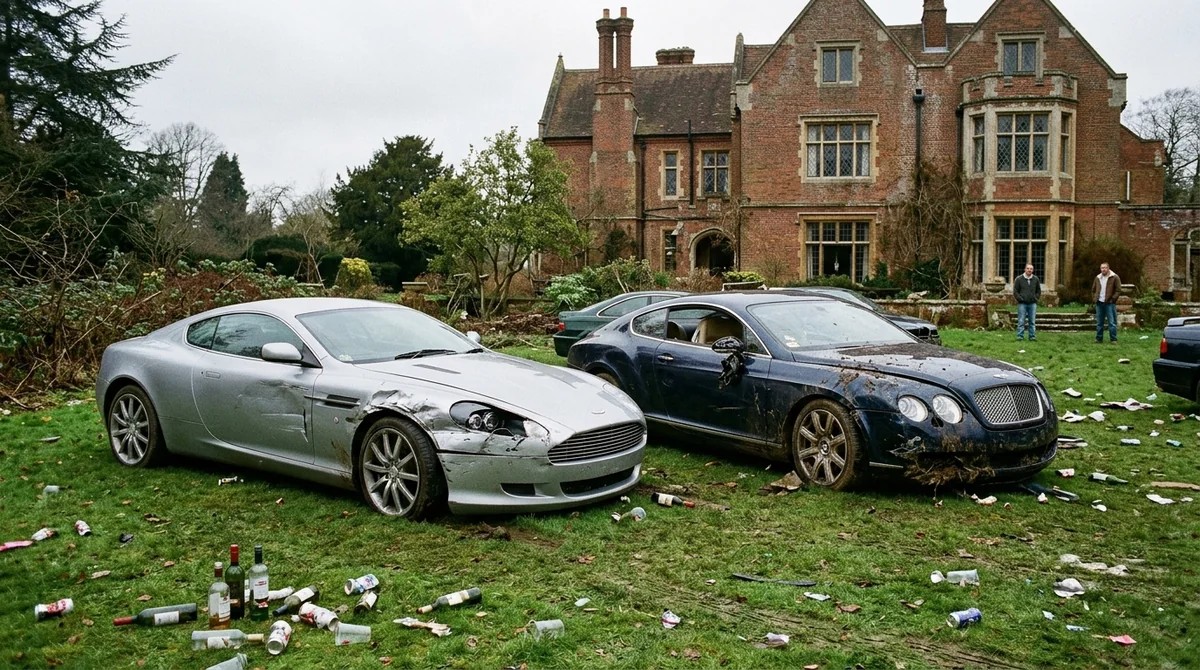
Carroll’s spending spree became legendary for its scale and recklessness. He purchased a sprawling mansion in Norfolk, which he nicknamed “the Grange,” and filled it with expensive cars, many of which were damaged or destroyed in backyard demolition derbies and stunts. His automotive collection included multiple luxury vehicles that became casualties of his chaotic lifestyle.
Beyond material possessions, Carroll developed serious substance abuse problems. He spent heavily on drugs and alcohol while hosting wild, round-the-clock parties that attracted hangers-on and opportunists. Legal troubles mounted steadily, with multiple arrests and court appearances keeping him in the tabloid spotlight throughout the decade. The combination of expensive habits, poor financial management, and a large entourage draining his resources proved catastrophic.
- Won £9,736,131 in November 2002 at age nineteen
- Spent heavily on drugs, alcohol, luxury cars, property, and parties
- Lost the entire fortune within approximately eight years
- Returned to manual labor including coal delivery by 2010
- Became a cautionary tale widely cited in financial literacy discussions
Why It Matters
Carroll’s story remains relevant more than two decades later because it illustrates fundamental principles about wealth management that transcend borders and generations. Research consistently shows that lottery winners without prior financial experience face significant bankruptcy risks, with studies suggesting that a substantial percentage of large jackpot winners experience financial distress within years of their windfall.
The case highlights several critical factors: the necessity of financial education, the danger of surrounding oneself with people motivated by access to money rather than genuine friendship, and the psychological challenges of sudden wealth. Carroll’s youth—just nineteen at the time—meant he lacked the life experience and emotional maturity to navigate such a dramatic change in circumstances.
For lottery players worldwide, the parallels are direct. Carroll’s experience serves as an international warning about the consequences of treating a finite windfall as an endless resource. His failure to assemble a team of financial professionals—attorneys, accountants, and planners—before making major decisions set the stage for inevitable collapse.
What Happened Next
By 2010, Carroll had exhausted his entire fortune. He returned to manual labor, working jobs including coal delivery in his native Norfolk—occupations similar in physical demand to his original garbage collection work. In a May 2025 interview, he discussed his current life as a coalman and reflected on the wild years following his win. In various interviews over the years, Carroll has expressed mixed feelings, sometimes claiming no regrets while at other times acknowledging his mistakes.
Now in his early forties, Carroll has largely faded from the intense media scrutiny that defined his twenties, though his story continues to resurface periodically as a cautionary tale. He lives a modest life far removed from the millionaire lifestyle he briefly enjoyed, occasionally giving interviews about his experiences.
The broader lesson remains clear: sudden wealth requires the same careful stewardship as wealth accumulated gradually. Financial advisors consistently recommend that lottery winners immediately assemble a professional team before making any major decisions—advice Carroll never followed.
Frequently Asked Questions
How long did it take Michael Carroll to lose his lottery fortune?
Carroll lost all £9,736,131 within approximately eight years of his November 2002 win, returning to manual labor by 2010. The money was spent primarily on drugs, alcohol, luxury vehicles, property, parties, and maintaining an expensive lifestyle with a large entourage.
What is Michael Carroll doing now?
As of 2025, Carroll works as a coalman delivering fuel to homes in Norfolk, England. He lives a modest life and occasionally gives interviews reflecting on his lottery experience. Despite losing everything, he has stated in interviews that he has no regrets about his choices.
Are lottery winners more likely to go bankrupt?
Research indicates that lottery winners without prior financial experience face elevated bankruptcy risks. The sudden influx of money, combined with poor financial advice, pressure from family and friends, and sometimes substance abuse, creates conditions for financial ruin. Professional guidance immediately after winning is crucial but often neglected.
This story is based on publicly reported information and verified sources. Details reflect the most recent available reporting as of mid-2025. As Carroll occasionally shares updates about his life, this remains a developing account.