
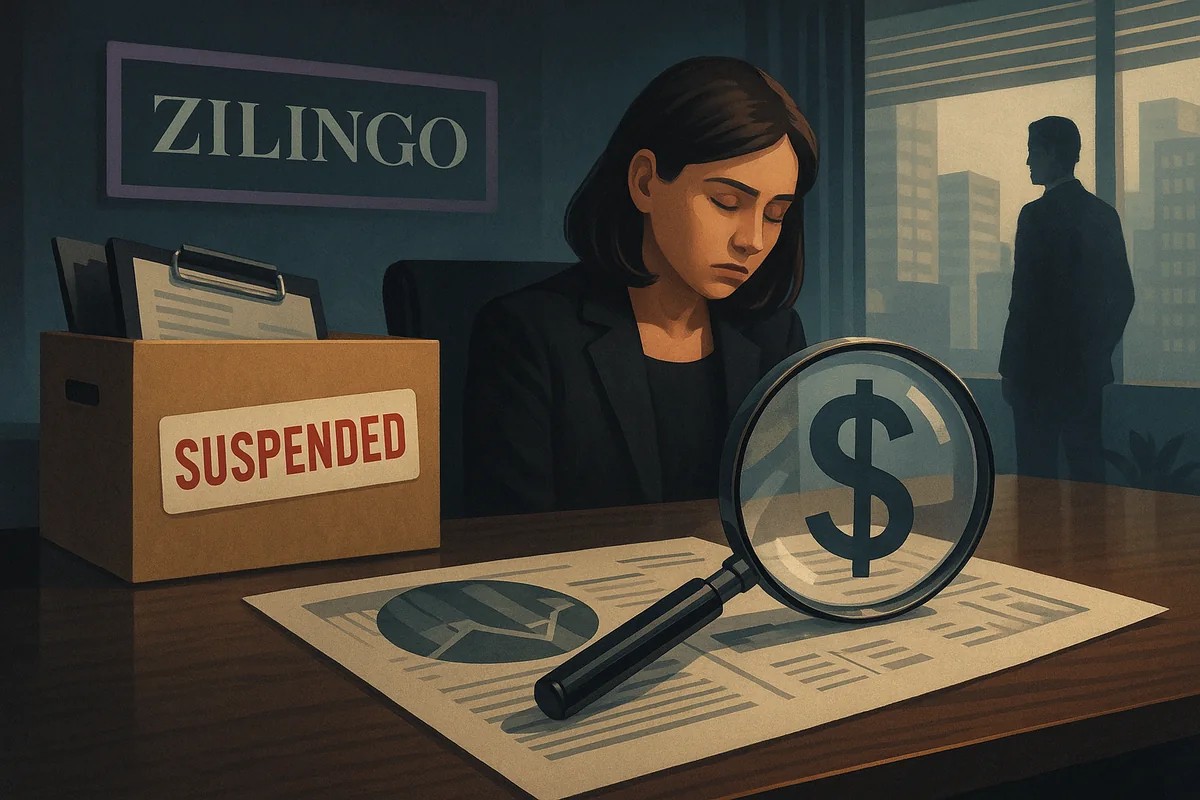
TL;DR: In 2022, startup Zilingo suspended its CEO, Ankiti Bose, amid allegations of financial irregularities. This incident underscores the critical need for startups to maintain rigorous financial oversight and transparency.
In April 2022, Zilingo, a prominent fashion technology startup based in Singapore, found itself at the center of a significant controversy. The company’s board decided to suspend its CEO and co-founder, Ankiti Bose, after concerns about potential financial irregularities emerged. This decision was taken amidst an effort to secure new funding, which raised questions about the company’s accounting practices. Business reports indicate that this move was unexpected and had been preceded by intense scrutiny over Zilingo’s financial dealings.
The Incident Unfolded
The catalyst for Ankiti Bose’s suspension was an investigation initiated due to suspected financial discrepancies during a crucial fundraising round. As Zilingo sought to raise additional capital, potential investors and internal stakeholders began to question the integrity of the company’s financial representation. Reports from Reuters reveal that these concerns prompted the board to take the unprecedented step of suspending its CEO pending further investigation.
Critical Decisions and Failures
The board’s decision was influenced by findings from an independent forensic firm tasked with examining the company’s financial practices. This action underlined a significant vulnerability in startups: the reliance on CEO oversight without sufficient checks and balances. As highlighted in Fortune, the 51-day suspension was a period of intense examination, and Bose herself disputed the allegations, questioning the procedures followed by the board during her suspension.
Consequences and Accountability
The outcome of this investigation led to Bose’s formal termination on May 20, 2022. This action marked a decisive moment for Zilingo as it sought to restore investor confidence and stabilize its operational framework. Despite Bose’s challenge to the suspension process, the board moved forward with their decision, citing the need to uphold corporate governance standards. This was a clear message regarding the seriousness with which such allegations are treated in the corporate world.
The Larger Context of Financial Oversight
The situation at Zilingo is not an isolated incident but part of a broader pattern across the startup landscape, where rapid growth often overshadows the need for comprehensive financial oversight. Startups, especially those in high-stakes environments like tech and e-commerce, must implement robust financial audit mechanisms to prevent similar occurrences. As evidenced by this case, overlooking these systems can lead to significant reputational and financial damage.
Lessons for Business Leaders
- Implement Strong Financial Controls: Ensure that financial transactions and records are meticulously audited and transparent.
- Foster an Independent Oversight: Engage external auditors to scrutinize financial practices periodically to maintain credibility.
- Embrace Transparency with Stakeholders: Regularly update stakeholders on financial health and practices to build trust.
- Prepare for Scrutiny: Develop a culture of accountability and be prepared for external inspections, especially during capital raises.
Frequently Asked Questions
What prompted the investigation into Zilingo’s finances? The investigation into Zilingo’s financial practices was initiated during a fundraising effort, which surfaced questions about the company’s financial disclosures as noted by business analysts.
How has Zilingo reacted post-suspension of Ankiti Bose? Following the dismissal of Ankiti Bose, Zilingo has been focused on regaining investor confidence and implementing stronger corporate governance to prevent future issues, aiming for transparency and stability.
Source note: This article is based on public records and linked reporting from reliable business news sources. It highlights the critical importance of financial oversight in startups.