
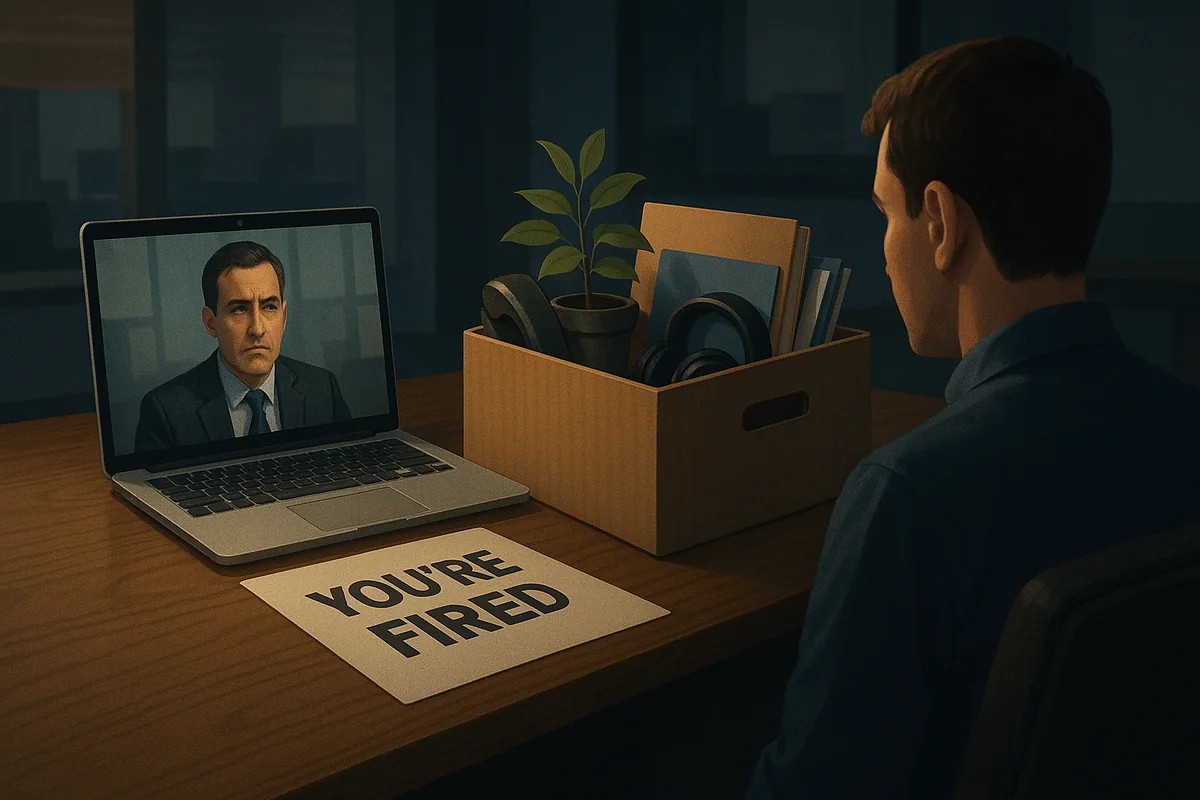
TL;DR: In December 2021, Better.com CEO Vishal Garg laid off 900 employees over a Zoom call, sparking criticism for its insensitivity. The case highlights the importance of empathy and compassion in corporate decision-making, especially during crises.
In December 2021, a virtual meeting took the internet by storm when Better.com CEO Vishal Garg opted to lay off 900 employees in a single Zoom call. This unprecedented approach not only drew considerable backlash due to its perceived coldness but also offered a clear lesson in corporate communication and empathy.
The Unfolding of Events
On December 5, 2021, Vishal Garg, CEO of the digital mortgage lender Better.com, informed about 9% of the company’s workforce that their employment was being terminated, effective immediately, during a brief Zoom call. This action, which took place just weeks before the Christmas holiday, was widely reported and criticized as an instance of poorly handled communication that ignored the human aspect of business management. The abrupt manner of the announcement, described as both impersonal and harsh, left many employees shocked and dismayed. [BBC]
A Decision Lacking Empathy
Garg cited the need to streamline operations at Better.com as a primary reason for these layoffs, referencing market conditions as justification. However, the method and timing of the dismissal garnered more attention than the reasoning itself. Criticism centered on Garg’s failure to communicate with sensitivity, as well as the disregard for the emotional well-being of the employees. This scenario underlined the potential repercussions of digital communication tools being used inadequately for sensitive interactions. [NBC News]
Consequences and Accountability
The fallout from the Zoom layoffs was significant, both within and outside Better.com. The video of the mass firing went viral, leading to widespread criticism of Garg’s management style. In response, Garg admitted to mishandling the situation and issued apologies for the way the layoffs were conducted. The public backlash forced Garg to take a leave of absence, though he returned to his position in early 2022. The incident also resulted in the resignation of several senior executives at Better.com, further highlighting internal discontent. [Forbes]
Understanding the Broader Implications
This high-profile case offers key lessons for business leaders regarding the handling of significant organizational changes. It illustrates that while economic pressures might necessitate tough decisions, the manner of execution can drastically affect both public perception and employee morale. Furthermore, the event underscores the importance of balancing operational efficiencies with compassion, even during challenging times.
Key Takeaways for Leaders
- Acknowledge the human impact of business decisions and prioritize empathetic communication.
- Prepare thoroughly for difficult conversations to mitigate potential backlash.
- Use appropriate channels for sensitive discussions; digital tools should enhance, not diminish, personal connection.
- Recognize the long-term impact of decisions on company culture and reputation.
Frequently Asked Questions
Why did Vishal Garg choose to conduct the layoffs over Zoom? The decision to use Zoom was influenced by the broad adoption of digital communication tools during the COVID-19 pandemic. Although practical for logistical reasons, it was poorly suited for communicating empathetic and personal messages as demonstrated by the ensuing backlash.
How did Better.com recover from the backlash? Following the incident, Vishal Garg took a temporary leave of absence and several senior executives resigned. The company had to manage the fallout by issuing public apologies and attempting to reset its corporate strategy to regain both employee trust and public confidence.
Source note: This article is based on reports from reputable news organizations and public statements. Information was drawn from sources such as the BBC, NBC News, and Forbes to ensure accuracy and reliability.